The Ultimate Guide to Extension Cables: Everything You Need to Know
Introduction
Extension cables are a vital component in any home or workplace, providing the flexibility to power devices and appliances from a distance. However, choosing the right extension cable for your needs can be a daunting task with so many options available in the market. In this ultimate guide, we will cover everything you need to know about extension cables to help you make an informed decision.
Types of Extension Cables
Extension cables come in various types based on their design and purpose. The most common types include:
People Also Look For:
- Micro USB Cable Braided USB A to Micro Charge Cable Android Charger Cable Data Sync Cord Compatible with Samsung Galaxy J7,S7,S6,K...
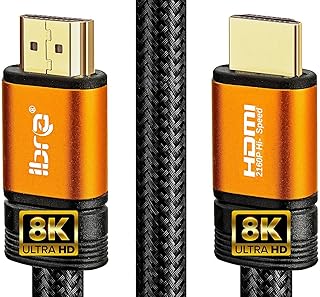
- 4K HDMI Cable 15m(HDMI 2.0,18Gbps) Ultra High Speed Gold Plated Connectors,Ethernet Audio Return,Video 4K@60Hz FullHD1080p 3D Comp...
- Txtcu 3.5mm Aux Cable 5m, Auxiliary Audio Cable Braided Stereo Mini Jack Male to Male Headphone Cord Auxiliary Aux Audio Cable for...
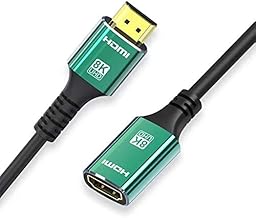
- PNGKNYOCN 8K HDMI Short Cable,1FT/0.3M 90 Degree Ultra High Speed Right Bend HDMI 2.1 Male to Female Extension Cable Support 8K@60...
- 8 Way Power Strip Surge Protector USB C PD20W, Extension Lead with Switches Surge Protected, Wall Mount Power Strip for Home Offic...
- Indoor Extension Cables: These are designed for use inside homes or offices and are typically shorter in length.
- Outdoor Extension Cables: These cables are weather-resistant and can be used outdoors to power garden tools, lights, or other outdoor appliances.
- Heavy-Duty Extension Cables: These cables are built to handle high power loads and are suitable for powering heavy-duty equipment and machinery.
- Multi-Outlet Extension Cables: These cables feature multiple outlets to power several devices simultaneously.
Factors to Consider When Choosing an Extension Cable
When selecting an extension cable, there are several factors to consider to ensure you get the right one for your needs:
- Length: Choose a cable that is long enough to reach your desired power source without being too long and causing unnecessary clutter.
- Wire Gauge: The wire gauge determines the amount of current the cable can handle. Make sure to choose a cable with the appropriate wire gauge for the devices you intend to power.
- Number of Outlets: If you need to power multiple devices, opt for a multi-outlet extension cable to avoid the need for multiple cables.
- Indoor vs. Outdoor Use: Be sure to select the right type of extension cable based on whether you intend to use it indoors or outdoors.
- Safety Features: Look for extension cables with safety features such as surge protection to protect your devices from power surges.
Tips for Safe Usage of Extension Cables
While extension cables are convenient, it is essential to use them safely to prevent accidents or damage to your devices. Here are some tips for safe usage:
- Avoid Overloading: Do not connect too many devices to a single extension cable as it can lead to overheating and pose a fire hazard.
- Avoid Tangles: Do not twist or knot the cable as it can damage the wires inside and increase the risk of a short circuit.
- Avoid Running Cables Under Carpets: Running extension cables under carpets can cause overheating and pose a fire risk. Opt for cable protectors instead.
- Regular Inspection: Inspect your extension cables regularly for signs of wear or damage and replace them if necessary.
Benefits of Using Extension Cables
Extension cables offer several benefits that make them a convenient solution for powering devices:
- Flexibility: Extension cables provide the flexibility to power devices from a distance, allowing you to place them wherever you need.
- Cost-Effective: Extension cables are a cost-effective solution for powering multiple devices without the need for additional power outlets.
- Convenience: Extension cables eliminate the need to move devices closer to power sources, making it easier to set up your workspace or entertainment area.
- Versatility: Extension cables come in various lengths and types to suit different needs, making them a versatile solution for powering devices in different settings.
Conclusion
Extension cables are an essential accessory for powering devices and appliances in homes, offices, or outdoor spaces. By understanding the different types of extension cables, factors to consider when choosing one, and tips for safe usage, you can make an informed decision and ensure the safe and efficient operation of your devices. Whether you need an indoor extension cable for your home office or a heavy-duty cable for powering machinery, extension cables provide the flexibility and convenience you need to stay connected.